
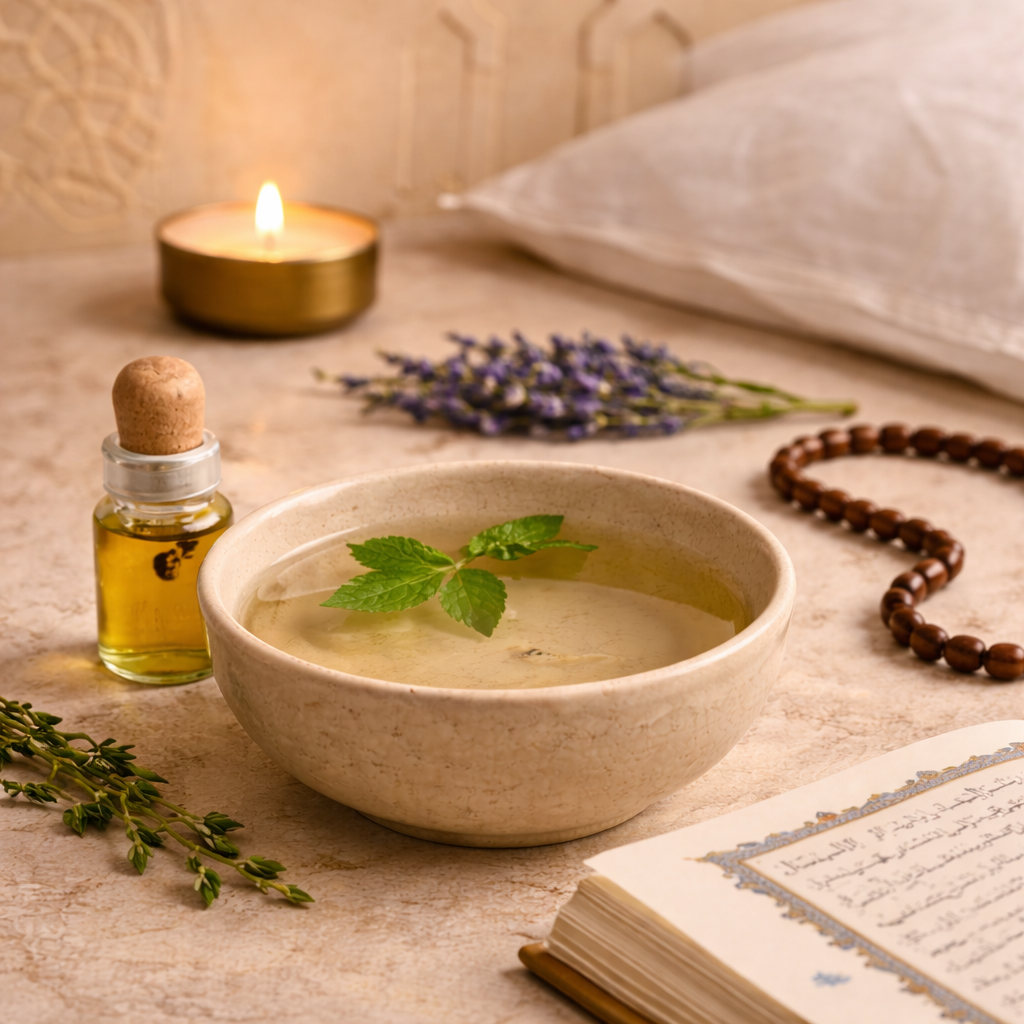
The Sunnah of Sleep: How Prophetic Habits Align with Modern Sleep Science
Sleep is one of the most powerful forms of repair the body has. It affects immunity, hormones, emotional regulation, memory and physical recovery. Yet in modern life, sleep is often treated as something to squeeze in at the end of the day.
Islam takes a very different approach. The Prophet Muhammad ﷺ modelled a relationship with sleep that was intentional, balanced and purposeful. What is striking is how closely these Prophetic habits align with what modern science now tells us about healthy sleep.
Rather than encouraging excess or neglect, the Sunnah teaches rest that supports worship, clarity and presence.
Sleeping Early to Protect the Night
The Prophet ﷺ disliked unnecessary conversation after the night prayer and encouraged rest early in the evening. This guidance aligns directly with circadian rhythm science.
The body naturally begins producing melatonin after sunset, especially when light exposure is low. Staying awake late under artificial lighting delays this process and disrupts sleep depth and hormonal balance.
Sleeping earlier supports:
✅ deeper sleep cycles
✅ better hormone regulation
✅ improved immune function
✅ easier waking for prayer
Crucially, sleeping earlier was never about indulgence. It was about protecting the night so it could be used well.
Rest That Makes Space for Tahajjud
Although the Prophet ﷺ slept, he also regularly stood in night prayer. Tahajjud and qiyam were part of his routine, not despite sleep, but because of it.
Modern sleep science shows that going to bed earlier allows the body to complete deeper sleep stages earlier in the night. This makes waking for tahajjud more achievable and less physiologically stressful.
Shorter sleep with better timing often leads to greater alertness than longer, fragmented sleep late into the night.
This balance reflects wisdom. Rest enough to function well, then rise in the final portion of the night when the mind is quiet, distractions are minimal and focus is naturally sharper.
Wudu Before Sleep and Nervous System Calm
It is authentically reported that the Prophet ﷺ encouraged making wudu before sleeping. Beyond spiritual purification, this practice has a calming physical effect.
Washing the face, hands and feet with cool water activates the parasympathetic nervous system. This lowers stress signals, slows the heart rate and prepares the body for rest.
In modern terms, wudu functions as a powerful pre-sleep regulation practice, helping the body settle so sleep comes more easily and more deeply.
Sleeping on the Right Side
The Prophet ﷺ would lie on his right side when sleeping, placing his right hand under his cheek.
From a physiological perspective, side sleeping supports breathing and circulation and may reduce pressure on the heart. Some research also suggests side sleeping supports overnight brain cleansing processes.
While comfort varies from person to person, this Sunnah aligns with positions commonly recommended for healthier sleep and respiratory function.
Remembrance Before Sleep and Mental Quiet
The Prophet ﷺ taught specific supplications and the recitation of Ayatul Kursi and the final three surahs before sleeping.
Modern research consistently shows that anxiety and mental overactivity delay sleep onset. Calm, repetitive recitation lowers cognitive arousal and helps the brain transition into sleep.
Remembrance before sleep offers:
✅ emotional grounding
✅ reduced mental noise
✅ a sense of safety and trust
✅ smoother sleep onset
This prepares both the heart and nervous system for rest.
Moderation in Eating and Night Comfort
The Prophet ﷺ encouraged moderation in food and warned against overfilling the stomach.
Heavy meals late at night raise body temperature and blood sugar, both of which disrupt sleep quality. Allowing digestion to settle supports deeper, more restorative rest and makes waking for prayer easier.
This guidance reflects a deep understanding of the body’s rhythms.
The Barakah of Fajr and the Early Morning
The Prophet ﷺ spoke of the barakah placed in the early morning hours. This barakah is not only spiritual, but practical.
Modern studies show that early morning light helps regulate circadian rhythm, mood and hormone production. Waking earlier supports mental clarity, emotional balance and energy regulation throughout the day.
Sleeping earlier protects the ability to wake for fajr with presence rather than exhaustion. It allows the believer to access both spiritual reward and physiological benefit.
Balance, Not Burnout
The Prophet ﷺ consistently discouraged extremes, even in worship. He reminded companions that the body has a right and that sustainable practice is beloved.
Chronic sleep deprivation weakens immunity, disrupts hormones and impairs emotional regulation. Even acts of worship are meant to be life-giving, not depleting.
The Sunnah model is clear. Rest enough to worship well. Worship in a way that strengthens rather than exhausts.
Sleep as Preparation for Worship
When sleep is approached with intention, it becomes ibadah. Sleeping early, calming the nervous system and preparing the heart allows for better presence in night prayer, fajr and the day ahead.
Rather than competing goals, rest and worship support one another.
Simple Sunnah-Based Sleep Practices
Not everything needs to be implemented at once. Even small shifts can make a meaningful difference.
✅ aim to sleep earlier
✅ reduce stimulation after isha
✅ make wudu before bed
✅ recite familiar supplications calmly
✅ rest with the intention of rising for worship
✅ prioritise consistency over perfection
These practices work because they align with how the body and soul are designed to rest and rise.
A Timeless Model for Modern Fatigue
The Prophet ﷺ lived a life of immense responsibility, yet his nights were marked by intention, rhythm and balance.
In a world struggling with burnout and poor sleep, the Sunnah offers a framework that restores harmony between body, mind and soul. Modern science is now confirming what was modelled centuries ago.
When sleep is used wisely, it becomes a bridge to clarity, worship and barakah rather than an escape from responsibility. If you need additional support with your sleep then try out our Rest & Relax Protocol to help you wind down at night.


Leave a comment
This site is protected by hCaptcha and the hCaptcha Privacy Policy and Terms of Service apply.