The Hidden Impact of Mineral Deficiency: Why Magnesium, Zinc and Iron Matter
Many people eat regularly, yet still feel tired, wired, foggy or run down. Sleep feels light. Stress feels harder to manage. Energy dips for no clear reason. Often, the missing piece is not calories or even vitamins, but minerals.
Minerals are involved in thousands of processes in the body. They help regulate nerves, muscles, hormones, immunity and oxygen delivery. When levels are low, the effects can show up quietly and gradually, often mistaken for stress, ageing or burnout.
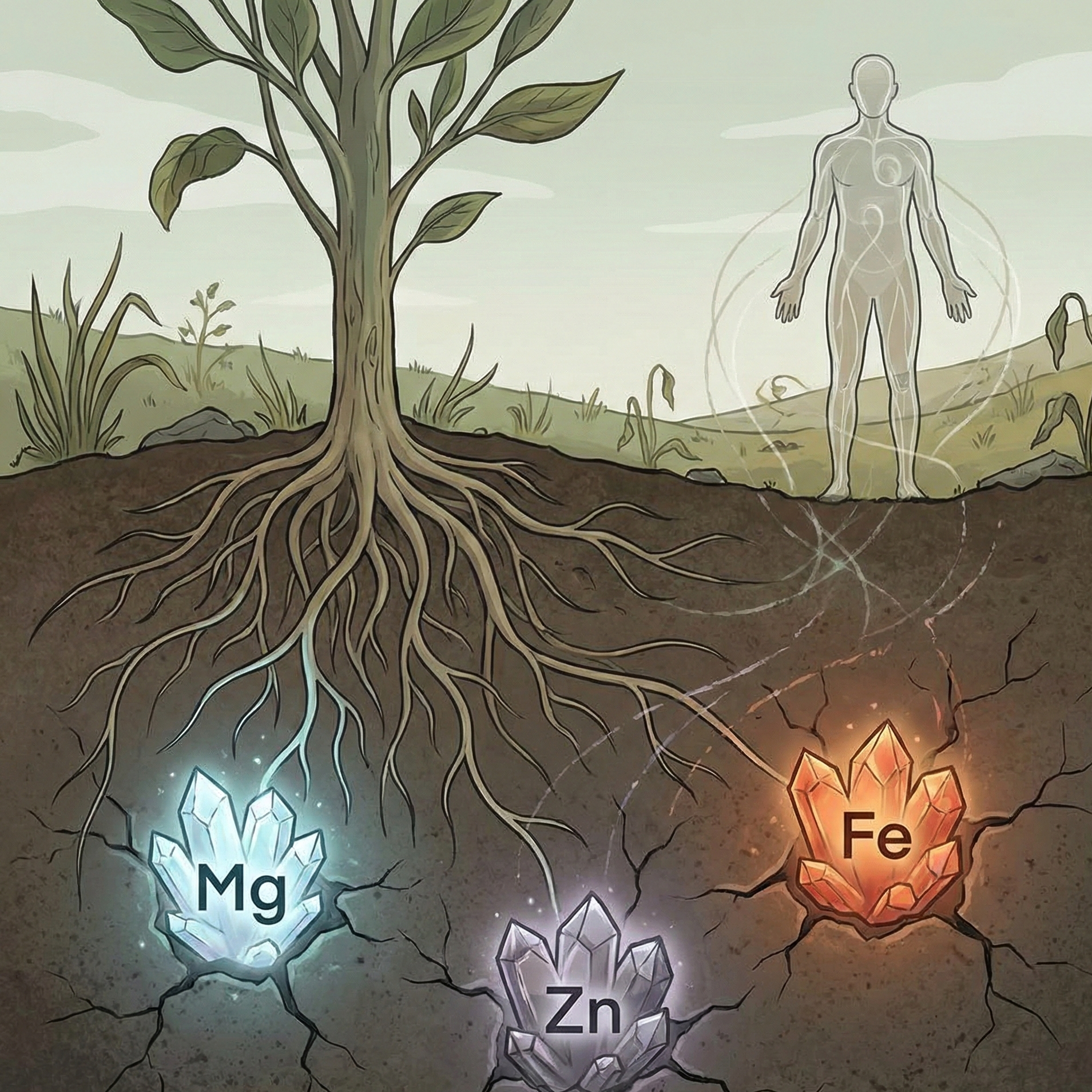
Magnesium, zinc and iron are three of the most common deficiencies, and they play a foundational role in how well your body copes with daily life.
Why Mineral Deficiency Is So Common
Modern diets are often calorie-dense but mineral-poor. Soil depletion, food processing and chronic stress all reduce mineral availability and increase demand at the same time.
Stress alone increases the body’s use of magnesium and zinc. Poor digestion reduces absorption. Heavy periods, pregnancy and growth phases raise iron needs. Over time, even a small imbalance can create noticeable symptoms.
This is why mineral deficiency often doesn’t look dramatic. It looks like “something just feels off”.
Magnesium: The Calming Mineral
Magnesium supports more than 300 biochemical reactions in the body. It plays a key role in muscle relaxation, nervous system regulation, blood sugar balance and sleep quality.
Low magnesium often shows up as tension rather than exhaustion.
Common signs include:
✅ difficulty winding down at night
✅ muscle tightness or cramps
✅ headaches or jaw tension
✅ feeling wired but tired
✅ sensitivity to stress
Magnesium is used up quickly during stressful periods, poor sleep or intense exercise. Supporting magnesium intake can make a noticeable difference to relaxation, sleep depth and overall resilience.
Zinc: The Immune and Repair Mineral
Zinc is essential for immune defence, wound healing, skin health and hormone balance. It also plays a role in taste, smell and appetite regulation.
When zinc is low, the body struggles to repair and protect itself efficiently.
Signs of low zinc can include:
✅ frequent colds or slow recovery
✅ skin issues or breakouts
✅ hair thinning
✅ poor wound healing
✅ reduced appetite or taste changes
Zinc needs increase during illness, stress and growth phases. Because the body doesn’t store large amounts, consistent intake matters.
Iron: The Oxygen Carrier
Iron allows red blood cells to carry oxygen around the body. Without enough iron, tissues do not receive the oxygen they need to produce energy efficiently.
Iron deficiency doesn’t always mean anaemia, but it can still affect how you feel.
Possible signs include:
✅ persistent fatigue
✅ shortness of breath with exertion
✅ dizziness
✅ cold hands and feet
✅ poor concentration
Women of menstruating age, growing children and those with restricted diets are particularly vulnerable. Iron absorption also depends on gut health and adequate vitamin C intake.
Why Symptoms Are Often Overlooked
Mineral deficiencies don’t usually appear suddenly. They develop slowly, and the body adapts until it can no longer compensate.
Because symptoms overlap with stress, poor sleep or hormonal shifts, minerals are often not considered early enough. Supporting mineral intake doesn’t mean chasing perfection. It means giving the body what it needs to function calmly and efficiently.
Supporting Minerals Through Food First
Whole foods remain the best foundation for mineral intake.
Magnesium is found in leafy greens, nuts, seeds and legumes.
Zinc comes from seeds, whole grains, beans and animal proteins.
Iron is found in red meat, lentils, beans and leafy greens.
Combining iron-rich foods with vitamin C improves absorption. Supporting digestion helps all minerals absorb more effectively.
Warm, simple meals often support mineral uptake better than rushed or highly processed foods.
Stress, Minerals and the Nervous System
There is a strong link between mineral status and how the nervous system responds to stress. Magnesium and zinc in particular help regulate stress hormones and nervous system signalling.
When these minerals are low, the body stays in a heightened state of alert. This can affect sleep, immunity and emotional balance. Supporting minerals is not just physical nourishment, it is nervous system support.
A Balanced, Holistic View
Minerals are not magic fixes, but they are foundational. Without them, the body works harder for less return.
Supporting mineral intake alongside good sleep, digestion, movement and emotional grounding creates a stable base for health. This approach reflects both modern research and traditional wisdom, which emphasises nourishment before intervention.
Simple Ways to Support Mineral Balance
✅ Eat a varied, whole-food diet
✅ Support digestion with warm meals
✅ Manage stress where possible
✅ Prioritise sleep
✅ Address heavy losses such as intense training or menstruation
✅ Seek testing or guidance if symptoms persist
Small, consistent steps often make the biggest difference over time.



Leave a comment
This site is protected by hCaptcha and the hCaptcha Privacy Policy and Terms of Service apply.