
Winter Skin and Dryness: Why It Happens and What Helps From Within
If your skin feels tighter, drier or more reactive in winter, it’s not just the cold air outside.
Winter changes how the body functions internally. Light exposure drops. Heating dries the air. Hydration habits shift. Food choices become heavier. Together, these changes affect the skin from the inside out.
Dry skin in winter is rarely just a surface issue. It’s usually a signal.
Why Winter Dries the Skin Out
In colder months, the skin loses moisture more easily.
Cold air holds less humidity. Indoor heating dries the environment further. The skin barrier, which normally holds moisture in, becomes more fragile.
At the same time, blood flow is prioritised for vital organs, meaning less circulation to the skin. This can leave it dull, tight or flaky.
Externally, this shows up quickly. Internally, the causes build quietly.
Hydration Is More Than Drinking Water
Many people drink less water in winter simply because they don’t feel as thirsty.
But hydration is not only about fluid intake. It’s also about how well the body holds onto that fluid.
Electrolytes and minerals help water stay where it’s needed. Without them, water passes through without properly hydrating tissues, including the skin.
Signs this may be an issue include dry lips, dull skin and feeling thirsty despite drinking regularly.
Fats Are a Foundation for Skin Health
Healthy fats form part of the skin’s protective barrier.
In winter, when the barrier is already under strain, low intake of fats can make dryness worse.
Skin cells rely on fats to stay flexible and resilient. Without enough, the barrier weakens and moisture escapes more easily.
This is why dry skin often improves when nourishment increases, even without changing skincare products.
Digestion and Skin Are Closely Linked
When digestion slows in winter, nutrient absorption can be affected.
Zinc, essential fatty acids and fat-soluble vitamins are all important for skin repair and hydration. If digestion is compromised, the skin is often one of the first places this shows.
This connection is especially noticeable for people who also experience winter bloating, sluggish digestion or changes in appetite.
What Actually Helps From Within
Rather than chasing quick fixes, winter skin responds best to steady internal support.
Simple habits often make the biggest difference.
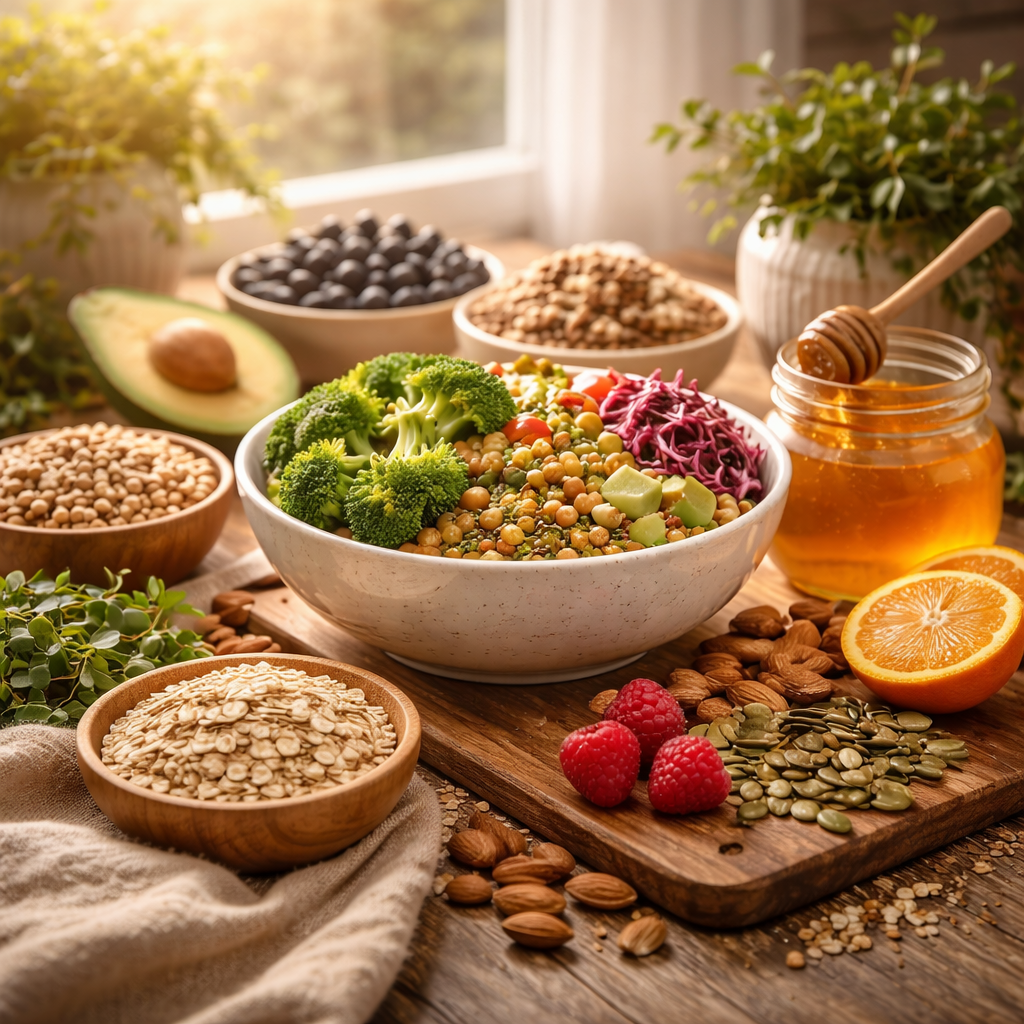
✅ prioritising warming, nourishing meals
✅ including healthy fats daily
✅ supporting digestion with regular meals
✅ staying gently hydrated throughout the day
These changes support the skin barrier naturally, rather than forcing moisture in from the outside.
Why Overdoing Skincare Can Backfire
In winter, it’s tempting to layer product after product.
But over-cleansing, exfoliating too often or using harsh actives can strip the skin further.
When the barrier is already fragile, less is often more.
Supporting the body internally allows skincare to work with the skin, not against it.
A Seasonal Perspective
The body changes with the seasons. Skin is no exception.
Winter is a time for protection, nourishment and slowing down. When we fight this with drying habits or restrictive eating, the skin reflects that stress.
When we support the body’s seasonal needs, the skin usually follows.
Dryness is not a failure. It’s feedback.
A gentle support if you want one
If your skin feels particularly reactive in winter, barrier support becomes even more important. A simple option is using a richer cream on dry or irritated areas, especially after washing.
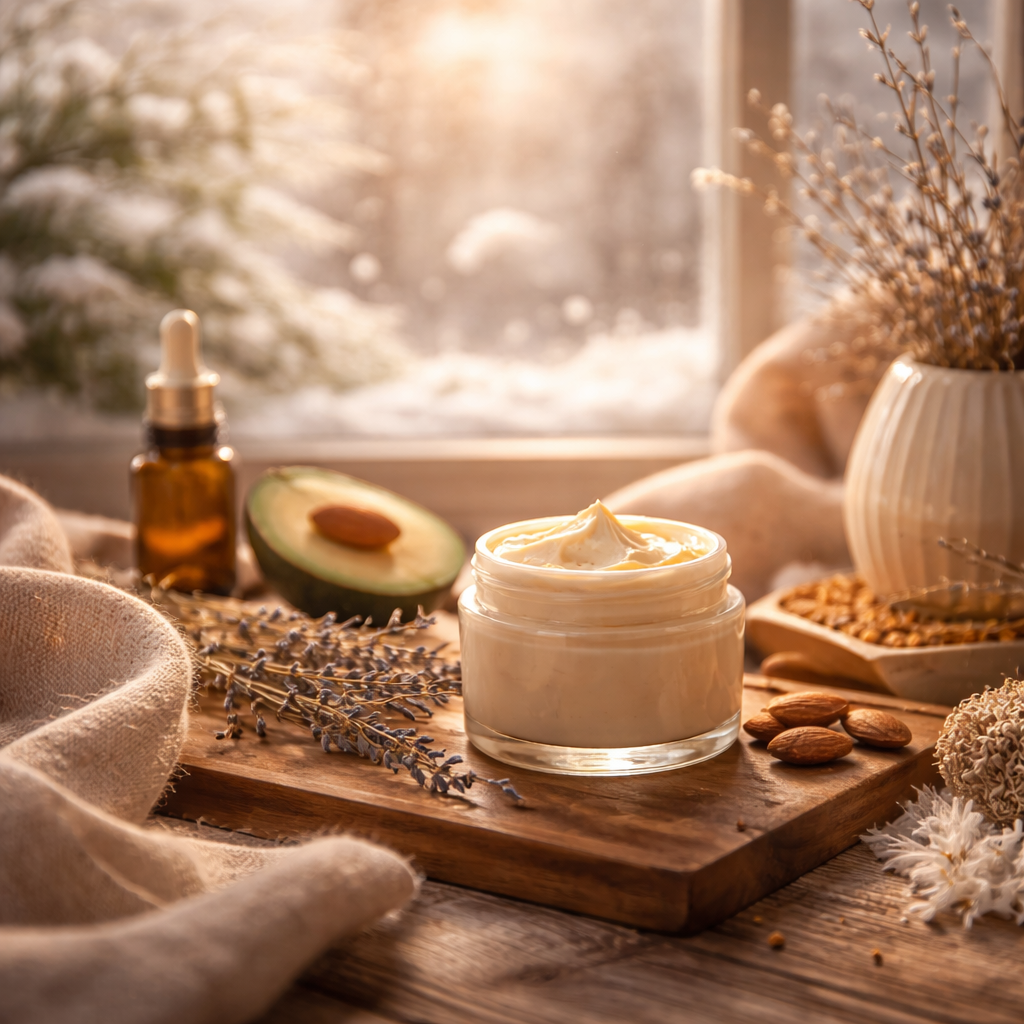
Our Glow Bee Cream is made for sensitive skin and is designed to help soothe common winter flare-ups linked to dryness, including eczema and psoriasis-prone skin. It can be used across the whole body and contains ingredients like sweet almond oil, avocado oil, beeswax, propolis and bee pollen.


Leave a comment
This site is protected by hCaptcha and the hCaptcha Privacy Policy and Terms of Service apply.