
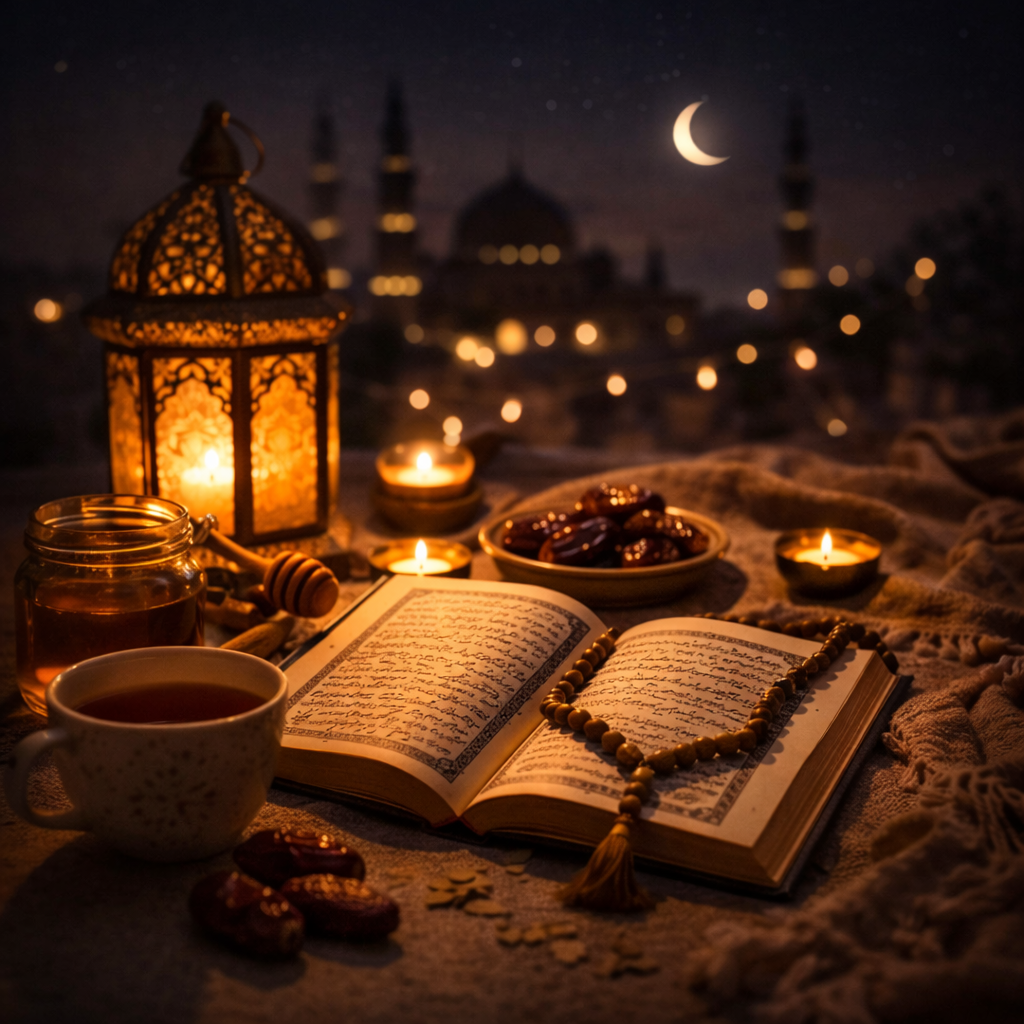
The Last Ten Nights: Depth Without Burnout
As the last ten nights of Ramadan begin, the atmosphere changes.
The heart becomes more alert. The nights feel weightier. People naturally want to give more, pray more and stay up longer. For many, this is the part of Ramadan they have been waiting for.
And yet this is also the point where the body is most vulnerable to overstrain.
Sleep is already reduced. Digestion is often less stable. The nervous system has been adapting for weeks. By the time the last ten arrive, many people are spiritually eager but physically depleted.
This is why the final stretch needs wisdom as much as devotion.
Depth does not come from collapse.
It comes from presence.
Why Burnout Shows Up in the Last Ten
By this stage of Ramadan, sleep debt has often accumulated quietly.
A few late nights here and there begin to add up. Blood sugar becomes less steady when evenings are irregular. Hydration can slip. Caffeine habits sometimes return. The body keeps going, but the margin narrows.
Then the last ten nights begin, and many people suddenly try to do everything at once.
Longer qiyam. Less sleep. More socialising. More sugar. More pressure.
The intention is sincere. The rhythm becomes unsustainable.
This is where burnout begins.
The Sunnah Is Depth With Balance
The Prophet ﷺ increased his worship in the last ten nights. He exerted himself more and encouraged his family to do the same.
But the wider Sunnah also teaches balance, mercy and sustainability. He did not model self-destruction. He taught that the body has rights, that actions are beloved when consistent, and that worship should deepen the heart rather than empty the person.
This matters in the last ten nights.
If the body is pushed beyond its limit, presence weakens. Khushu drops. Irritability rises. Worship becomes harder to sustain.
The goal is not simply to stay awake.
It is to stay connected.
Why Presence Matters More Than Volume
Many people assume that more hours automatically mean more reward.
But in reality, the quality of attention changes everything.
A shorter period of prayer with presence, softness and sincerity may be more transformative than a long night spent fighting exhaustion.
The body and the soul are not separate here. When the nervous system is completely overwhelmed, the mind becomes scattered and the heart struggles to settle.
Depth requires enough steadiness to actually absorb what the night is offering.
Protecting the Body Supports the Heart
Sleep is one of the biggest factors here.
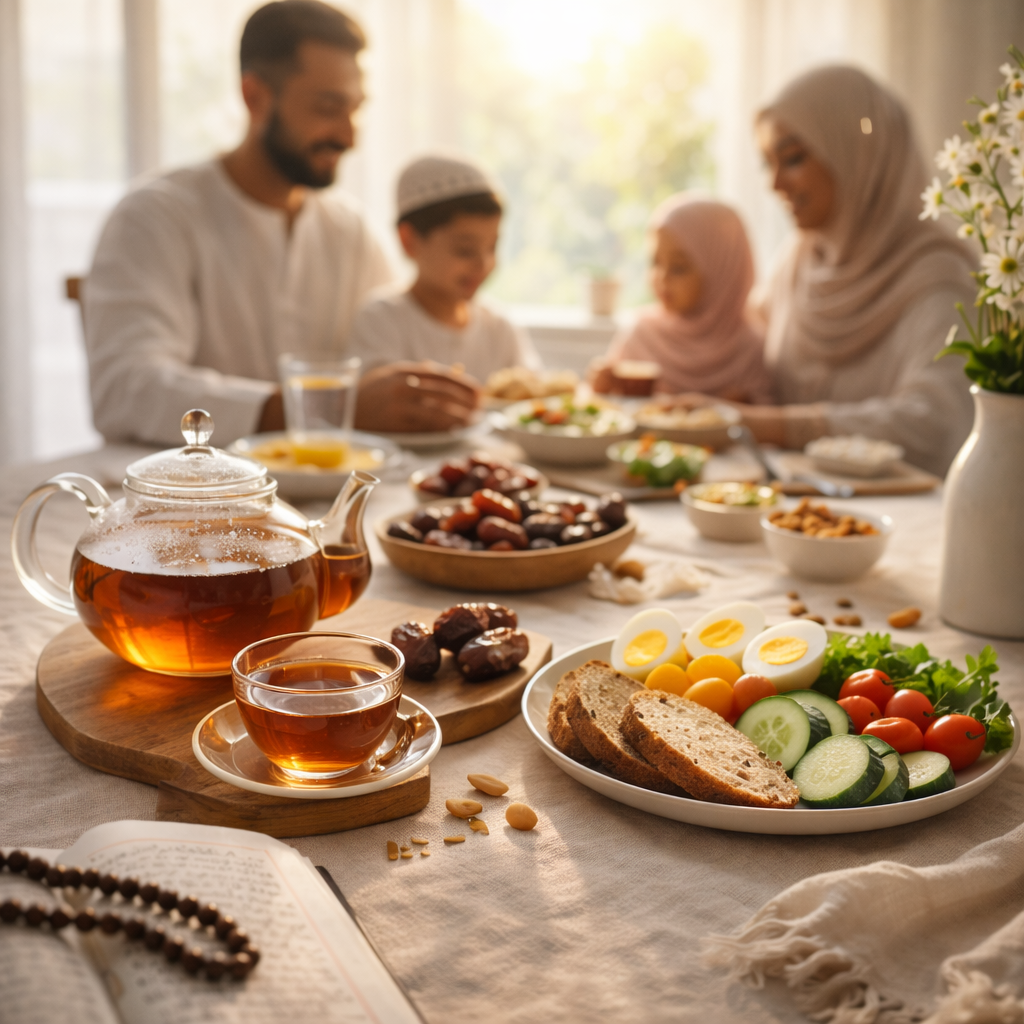
This does not mean sleeping through the most sacred part of the month. It means being intentional. Short naps, earlier rest where possible, gentler iftars and less stimulation all help create more usable energy for worship.
The body responds well to rhythm, even in intense periods.
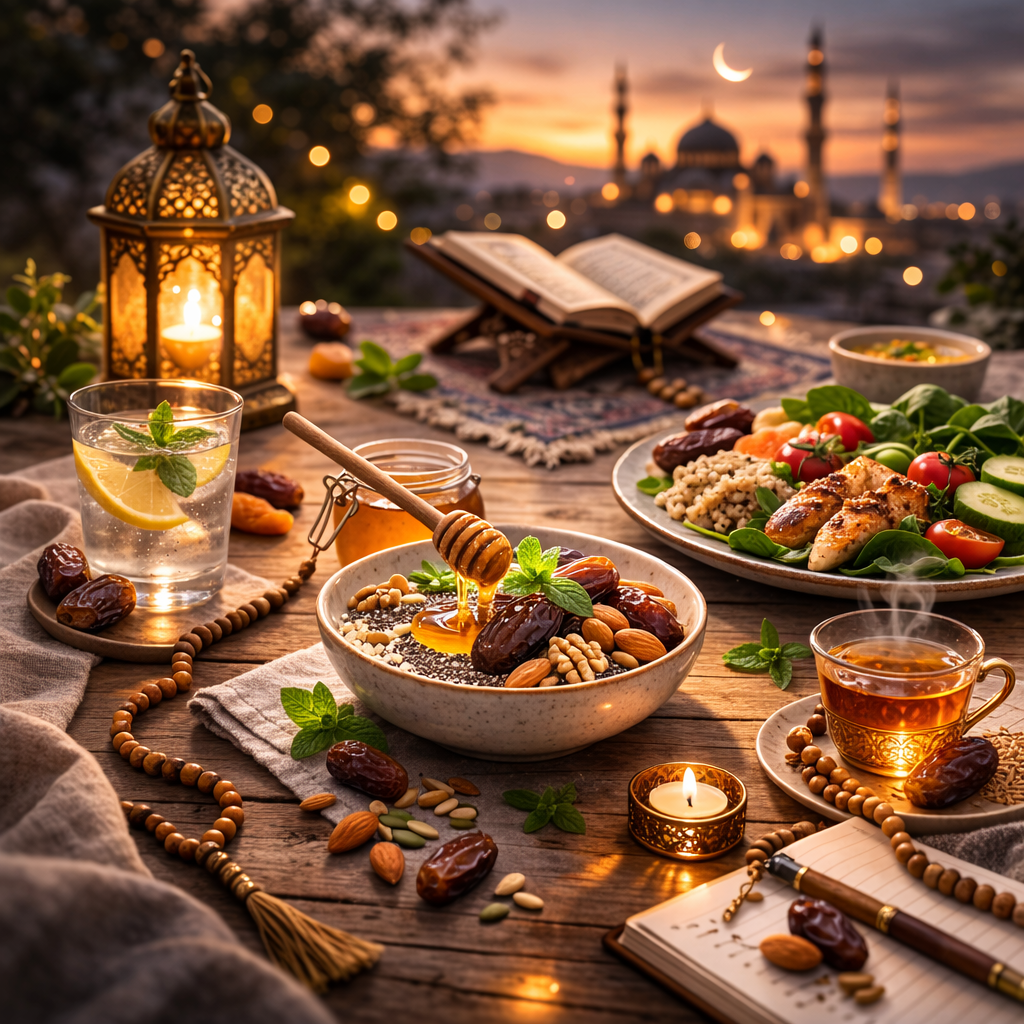
A calm digestive system also matters. Heavy meals late at night make prayer feel harder and sleep feel lighter. Simpler evening meals often help people feel clearer and less burdened.
Hydration matters too. Fatigue is not always spiritual weakness. Sometimes it is just accumulated strain.
The Last Third and the Power of Focus
For those able to wake in the last portion of the night, this can be one of the most powerful times for worship.
The body is quieter. Mental noise is lower. The world is still. This supports both spiritual focus and nervous system calm.
But again, this does not mean forcing a schedule that leaves you depleted the next day.
For some, depth will look like a longer night in the masjid.
For others, it will look like sleeping earlier, waking with intention, and praying two sincere units in stillness.
Both can be beautiful.
A Gentler Way to Think About the Last Ten
The last ten nights are not a performance.
They are an invitation.
An invitation to soften.
To focus.
To simplify.
To be honest with Allah in the quiet.
Burnout often comes when we approach sacred time through pressure rather than surrender.
There is wisdom in doing what allows you to stay present night after night, rather than crashing early and losing steadiness.
Depth Without Collapse
The final nights of Ramadan are precious. But the path through them does not need to be harsh.
Worship is not made deeper by exhaustion alone. It becomes deeper when the body is supported enough for the heart to remain awake.
Depth without burnout is not lesser worship.
It is wise worship.
And wisdom is part of the gift.

Leave a comment
This site is protected by hCaptcha and the hCaptcha Privacy Policy and Terms of Service apply.