
Article: The Clocks Go Back Sunday. Here's How to Not Let It Floor You.
The Clocks Go Back Sunday. Here's How to Not Let It Floor You.
This Sunday the clocks go back an hour, and you'll hear the same thing everywhere: "an extra hour in bed, lovely." Hold that thought, because for a lot of people the week that follows is anything but lovely. Groggy mornings, a flat, heavy feeling by mid-afternoon, and a strange sense of being slightly out of step with the day for the best part of a week.
So what's actually going on, and why does gaining an hour leave so many of us feeling worse rather than better?
Your body clock doesn't read the clock on the wall
Deep in your brain sits a master clock that runs your whole day. It decides when you feel alert, when you get hungry, when your temperature rises in the morning and dips at night. And it doesn't set itself by the numbers on your phone. It sets itself by light.
That's the catch. On Sunday the clocks jump back in an instant, but your internal clock doesn't. It carries on as it was, and now everything is an hour out of place. Morning light arrives when your body wasn't expecting it. The evening turns dark far earlier than feels right. Your body is, in effect, in a different time zone to the one on the wall, and it takes days to catch up.
This is why you can wake up at what used to be 7am, now 6am, wide awake, with no idea why. Your clock hasn't got the memo yet.
The "extra hour" is a bit of a myth
Here's the part nobody mentions. You don't really bank an hour of extra rest. Most people still wake at their usual body time, which is now an hour earlier by the clock, so the lie-in quietly evaporates. What you're actually left with is a nudge to your whole rhythm and, the bigger one for a lot of people, an evening that's suddenly dark by late afternoon.
That early darkness is the real sting of this time of year. Light is one of the main things keeping your mood and energy up, and when the evening collapses into blackness before you've finished the working day, it can leave you flat, sluggish and reaching for the sofa and the biscuit tin. It's not laziness. It's your body responding to a sudden drop in the light it runs on.
How to land the change gently
You can't stop the clocks changing, but you can take most of the sting out of it with a bit of planning.
Ease into it rather than lurching. If you can, shift your bedtime and your mealtimes about fifteen minutes later over the few days before Sunday, so the jump is smaller when it comes. If Sunday's already here by the time you read this, no harm done, just nudge things over the next few days instead.
Chase the morning light. Getting daylight into your eyes early in the day is the strongest signal your body clock has, and it's what resets it fastest. Get outside in the morning if you possibly can, even for ten minutes, even under grey cloud. It does more than any amount of lying in.
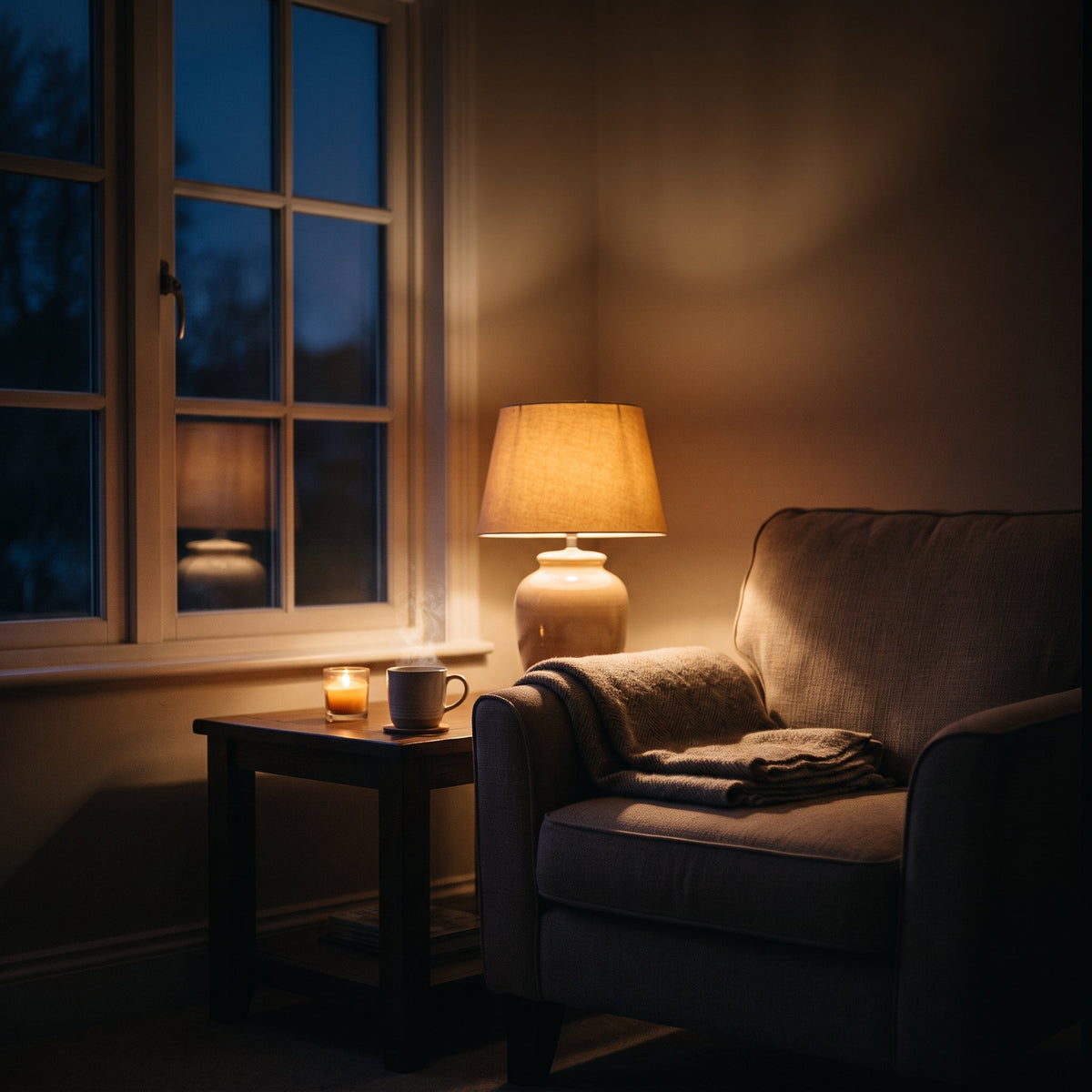
Guard the evening. As it goes dark earlier, resist the urge to flood the house with bright overhead light and screens right up to bedtime. Softer, lower light in the last hour tells your body the day is winding down, which helps it reset to the new time.
Keep your rhythm steady. Your body clock loves regularity. Try to get up and go to bed at roughly the same time each day, weekends included, through this patch. Consistency is what helps the whole system settle.
Go easy on yourself for a week. Expect to feel a bit off for several days, and don't pile demands on top. Keep the caffeine to the morning so it's not still in your system at night, get outside when you can, and let your body do the adjusting it needs to.
When it's more than the clocks
For most of us, that groggy, flat feeling lifts within a week or so as the body catches up. But the darker months are genuinely hard on some people's mood, not just their energy, and that's worth taking seriously. If the low feeling settles in and stays, if it's dragging on your sleep, your appetite or your ability to enjoy things, that's not something to push through alone. Have a word with your GP. Low mood through the dark months is common and there's real help for it, so please don't file it under "just the winter blues" if it runs deep.
For the ordinary grogginess though, be kind to yourself this week. Get out in that morning light, keep your routine steady, and give your body the few days it needs. The clocks changed in a second. You're allowed to take a little longer.


Leave a comment
This site is protected by hCaptcha and the hCaptcha Privacy Policy and Terms of Service apply.