The Wellness Trends That Are a Waste of Your Money
The wellness industry is worth trillions now. Trillions. And a fair chunk of that is built on a simple trick: take a normal, healthy habit, put it in nicer packaging, attach a miracle claim to it, and charge you four times what it is worth.
I sell natural health products, so you might think this is the last blog I would write. But I would rather you spent your money well, on the things that actually earn it, than throw it at whatever went viral this month.
So here is my take on some of the biggest wellness trends people are pouring money into, and where I think that money is wasted. And to be clear from the start, most of these things are not bad. A lot of them are perfectly fine. The problem is almost never the thing itself. It is the promise stuck to it.
First, the one rule that saves you the most money
Before any specific trend, here is the single most useful filter you can own.
Be suspicious of anything that claims to fix lots of unrelated problems at once. Better sleep, glowing skin, more energy, weight loss, balanced hormones, boosted immunity and total detox, all from one powder, patch or potion. Real life does not work like that. When something promises to be the answer to everything, it is almost always the answer to nothing, and you are paying for the marketing.
Hold that one rule in your head and you will dodge most of what follows anyway.
Greens powders
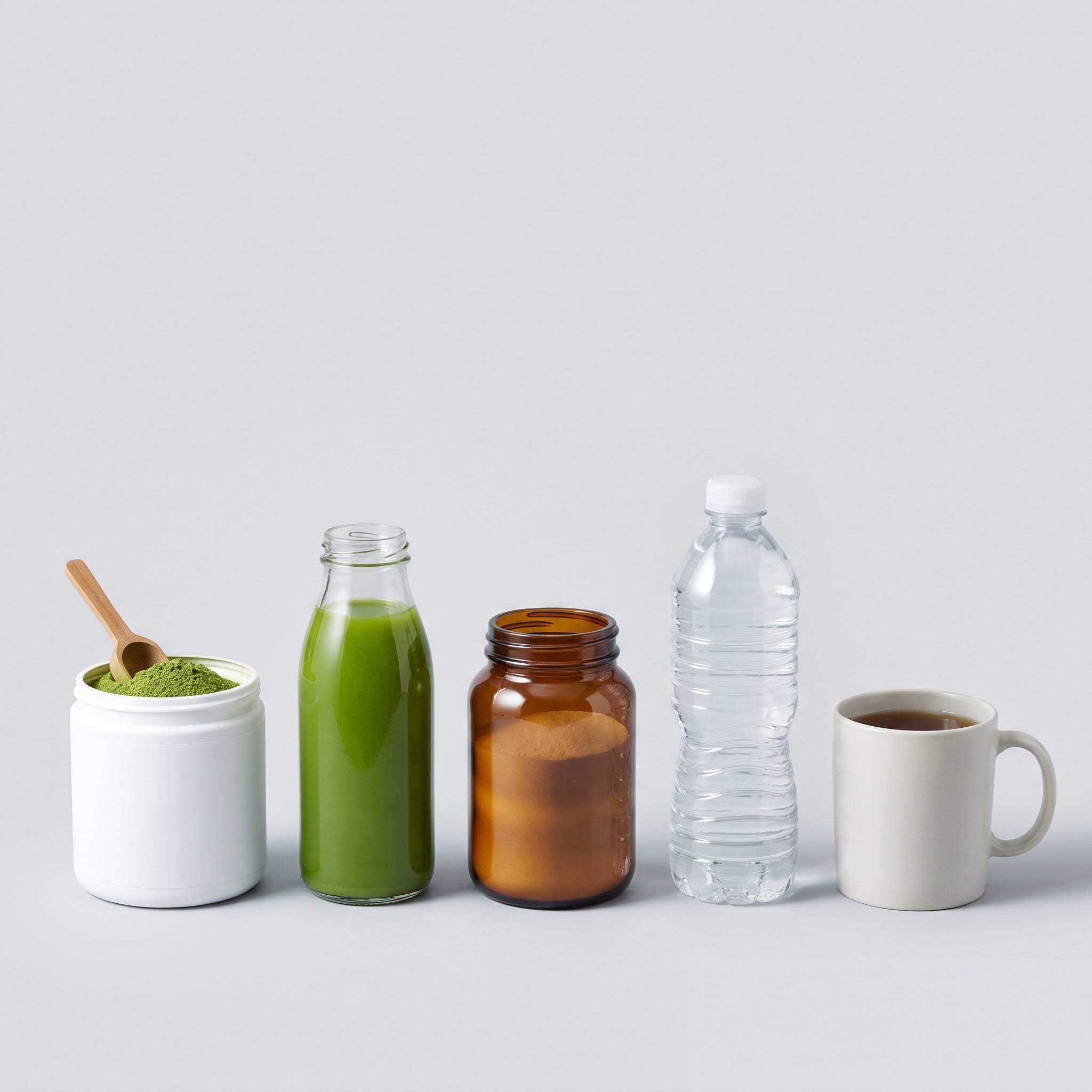
The big one. That scoop of green powder you stir into water every morning, often costing a pound or more per serving.
The reality is that they are not going to hurt you, and if having one genuinely nudges you towards a healthier morning, fine. But the idea that a spoon of dried powder replaces eating actual vegetables does not hold up. The doses of each ingredient are often tiny, the processing strips a lot of the goodness, and you lose the fibre that makes real vegetables so good for you. A bag of frozen spinach and some fruit will do more for you than most greens powders, at a fraction of the cost.
If you love yours and it fits your budget, carry on. Just do not believe it is doing the work of a proper diet. It is not.
Slimming teas and skinny coffees
You will have seen these all over social media, usually promoted by someone with a very flat stomach promising the tea is their secret.
Here is what is really in most of them: a laxative, often senna, sometimes a diuretic and a bit of caffeine. What they actually do is make you go to the toilet and lose water. Any drop on the scales is water and waste, not fat, and it returns the moment you eat and drink normally. Worse, using laxatives regularly can upset your digestion, cause cramping and dehydration, and over time your bowels can become reliant on them. There is no magic fat-burning tea. The flat stomach in the advert came from exercise and good nutrition, genetics, lighting and a good camera angle, not the drink. This is one of the clearer wastes of money in the whole industry, and one of the few that can actually do you harm.
Alkaline water
The pitch is that special alkaline water changes your body's pH and fights disease. That specific claim is one of the easiest to rule out.
Your body controls its pH within an extremely tight range on its own, every second, whether you drink posh water or ordinary water. It has to, or you would be seriously ill. Your kidneys and lungs handle it for free, and you cannot meaningfully change your blood pH through what you drink, nor would you want to. So paying a premium for alkaline water on the promise that it balances your body is money wasted.
Filtering your water, though, is a different matter, and worth separating out. UK tap water is treated to be safe, but safe is not the same as ideal. A good water filter removes chlorine and can reduce fluoride and other residues, which many people prefer to avoid, and it usually improves the taste too. That is a sensible, affordable thing to do if it matters to you. Just do not confuse it with the alkaline pH claim. Filter your water by all means. Do not pay a premium to alkalise it.
Celery juice
This one went properly viral, with claims it cures everything from gut problems to autoimmune conditions.
Let me be fair here, because I do not want to put you off it. Celery juice is fine and I use it as part of my juicing routine myself. It is hydrating, it has some vitamins and antioxidants, and if you enjoy a glass in the morning as part of a healthy routine, there is nothing wrong with that at all. It is cheaper and better for you than most fancy supplements promising the earth.
What it will not do is cure disease or transform your health on its own, no matter what the internet says. Whole celery is arguably better still, because you keep the fibre you lose when you juice it. So enjoy it if you like it, just keep your expectations honest. It is a nice healthy habit, not a miracle.
Detox teas and cleanses
I have written about this before, so I will keep it short. Your liver and kidneys detox you around the clock, for free. Most detox teas are laxatives, most cleanses just mean eating very little for a few days. Any weight lost is water and it comes straight back. This is one of the clearest wastes of money in the whole industry, and some of it can make you feel worse. If you want a good herbal tea for overall health then great, just don't fall for a 'full body detox in one week' trend.
Expensive powders and exotic berries
Every year there is a new miracle superfood from somewhere far away, at a premium price. Here is the thing. A blackberry from a British hedgerow, a handful of spinach, a carrot, an onion, these are superfoods too. Cheap, local, colourful fruit and veg gives you the same class of antioxidants and fibre as the £30 exotic powder, and usually more, because it is fresh and whole. Some powdered fruits and vegetables are great to add to smoothies or your juice, just be careful about paying premium for them or believing all the 'cure-all' claims. And remember, many foods are superfoods in their own right, especially in their natural forms.
So what is actually worth your money?
I am not going to leave you with the impression that nothing is worth buying, because that is not true either. Here is where money is genuinely well spent, in rough order.
Real food, first and always. Whole, colourful, minimally processed food does more than every supplement combined. Nothing you can buy in a tub beats it.
Vitamin D through the darker months, especially here in the UK where we make almost none from October to March. Cheap, evidence-backed, worth it for most people.
Good sleep, which costs nothing but attention. Getting to bed on time will do more than any powder.
And then simple, natural staples used for what they actually are. A good raw honey as a real alternative to processed sugar. Black seed oil with its long traditional use and real compounds behind it. Sea moss for broad mineral support. Not sold to you as miracles, but as decent, whole, minimally processed foods that earn a place in a sensible routine. That is exactly the line I try to hold with everything we make. If it needs a miracle claim to sell, it is not worth your money. If it stands up as a good, honest food, it is.
The takeaway
You do not need most of what the wellness world is selling you. The truth is far less exciting and far cheaper. Eat real food. Sleep. Move. Get some sun in summer. Drink water. Add a few natural staples if you enjoy them.
Judge everything by one question: what is it actually promising, and is that promise believable? If something claims to fix your whole life in a scoop, keep your money. The most powerful things for your health were never the expensive ones. They were the boring ones, done consistently.



Leave a comment
This site is protected by hCaptcha and the hCaptcha Privacy Policy and Terms of Service apply.