Stillness as Medicine: Why Your Nervous System Needs Quiet to Heal
Most people think healing requires action. More effort. More optimisation. More doing.
But many of the symptoms people struggle with today are not caused by lack of motivation or discipline. They come from a nervous system that never gets a chance to settle.
Fatigue, anxiety, poor sleep, digestive issues, emotional reactivity and even low immunity are often signs of a body stuck in constant alert. The missing ingredient is not another routine. It is stillness.
Stillness is not inactivity. It is a biological signal of safety.
The Nervous System Was Designed for Rhythm
Your nervous system has two main modes.
One is alert and protective. This is useful for work, problem-solving and responding to danger.
The other is restorative. This is where digestion, repair, immune regulation and emotional processing happen.
The problem is not stress itself. The problem is never switching out of it.
Modern life keeps the nervous system in a near-constant state of stimulation. Noise, notifications, artificial light, constant conversation and mental load all signal the body to stay alert.
Over time, this becomes the baseline.
Why Quiet Feels Uncomfortable at First
Many people say they struggle with silence. They feel restless, irritated or uneasy when things slow down.
This is not a personal failing. It is a nervous system that has forgotten how to downshift.
When stimulation drops away, unresolved tension surfaces. Thoughts become louder. The body feels unfamiliar. This is often mistaken for anxiety, when it is actually withdrawal from constant input.
Stillness feels uncomfortable before it feels healing.
That discomfort is part of the recalibration.
What Happens in the Body During Stillness
When the nervous system senses quiet and safety, several important shifts occur.
✅ heart rate slows
✅ breathing deepens naturally
✅ digestion improves
✅ inflammation markers reduce
✅ emotional regulation strengthens
This is not psychological. It is physiological.
Prayer, reflection, silence, and even moments of sitting without distraction all trigger these responses when done without pressure.
Why Stillness Is Central to Islamic Practice
In Islam, stillness is built into worship.
Salah slows the breath and grounds the body.
Wudu cools and resets sensory input.
Du’a requires pause and presence.
Tahajjud removes noise entirely.
These practices were never meant to exhaust the body. They regulate it.
The Prophet ﷺ discouraged excess and praised balance. He taught rest, sleep and moderation alongside worship. This balance is nervous system wisdom.
Stillness Is Not the Same as Switching Off
Scrolling, binge watching or background noise may feel relaxing, but they still stimulate the nervous system.
True stillness has no demand.
No response required.
No input to process.
No performance.
This is why silence can feel more restorative than entertainment, even if it feels unfamiliar at first.
How Stillness Supports Healing in Children Too
Children mirror nervous systems, not instructions.
When a home is constantly loud or rushed, children remain alert. When quiet moments are normalised, regulation becomes easier.
This does not mean silence all the time. It means intentional pauses.
A calm bedtime routine.
A few quiet minutes before sleep.
Sitting together without a screen.
These moments teach the nervous system that it is safe to rest.
Reintroducing Stillness Gently
Stillness does not need to be dramatic or long.
A few minutes is enough to start.
Sit without a phone.
Breathe without controlling it.
Allow silence without filling it.
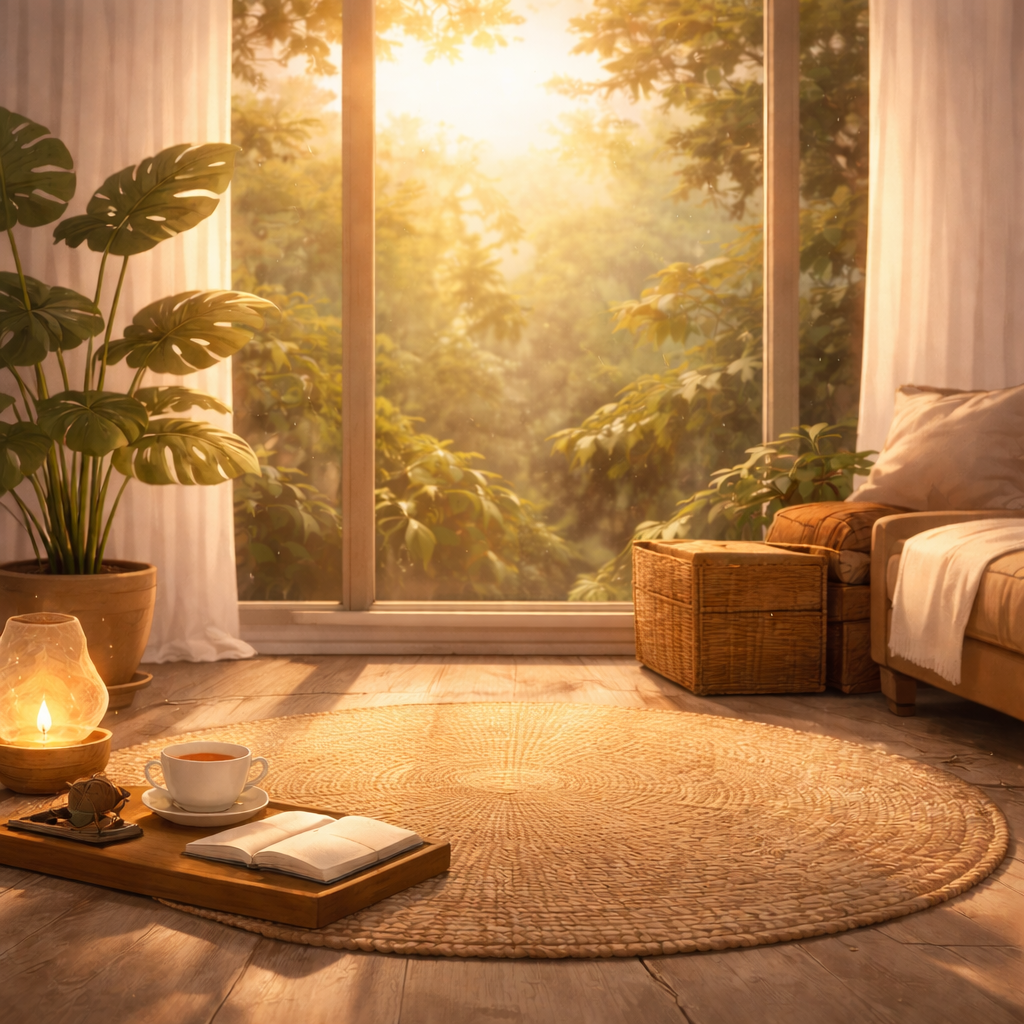
For some, prayer is the most natural entry point. For others, it may be quiet reflection or simply sitting in the early morning light.
The form matters less than the signal of safety.
Why This Matters More Than Ever
Many modern health issues are not caused by lack of nutrients or effort alone. They are rooted in nervous system overload.
Without stillness, the body cannot heal properly.
With it, the body remembers how.
Stillness is not an escape from life. It is what allows the body to recover enough to engage with it well.


1 comment
Wonderful article. I found the part about tensions arising in stillness being mistaken for anxiety, when they’re actually withdrawal from constant stimulation especially interesting as someone who suffers from anxiety, it is food for thought. Thank you 🙏✨
Ana
Leave a comment
This site is protected by hCaptcha and the hCaptcha Privacy Policy and Terms of Service apply.